Editor’s Note:
This story was written and submitted by sports car enthusiast Stephen J. England, who recently discovered the Lake Garnett Grand Prix Revival through social media. After reconnecting with the legacy of Lake Garnett, he graciously reached out to share the memories of his family’s racing experiences at the historic raceway, and how he is looking forward to returning. We’re proud to feature his contribution as part of preserving and celebrating the history that continues to bring people back to Garnett. We welcome anyone who would like to share their stories of the either the original races or the Revival events to contact us.
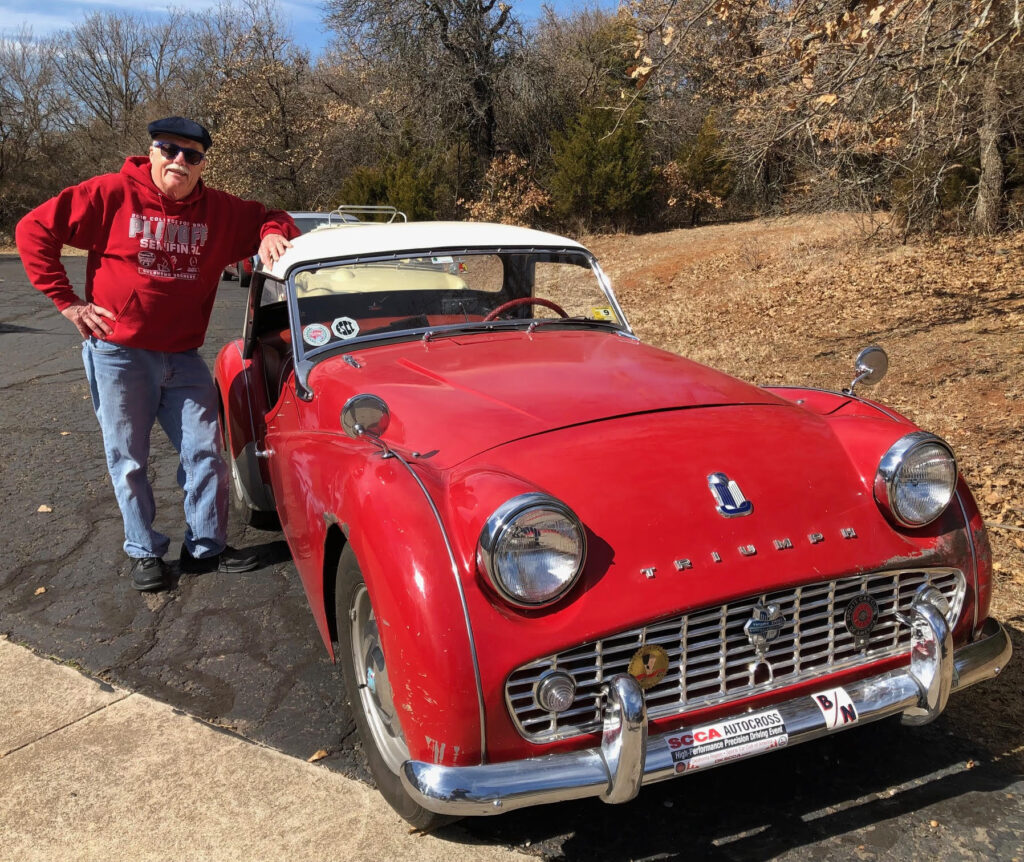
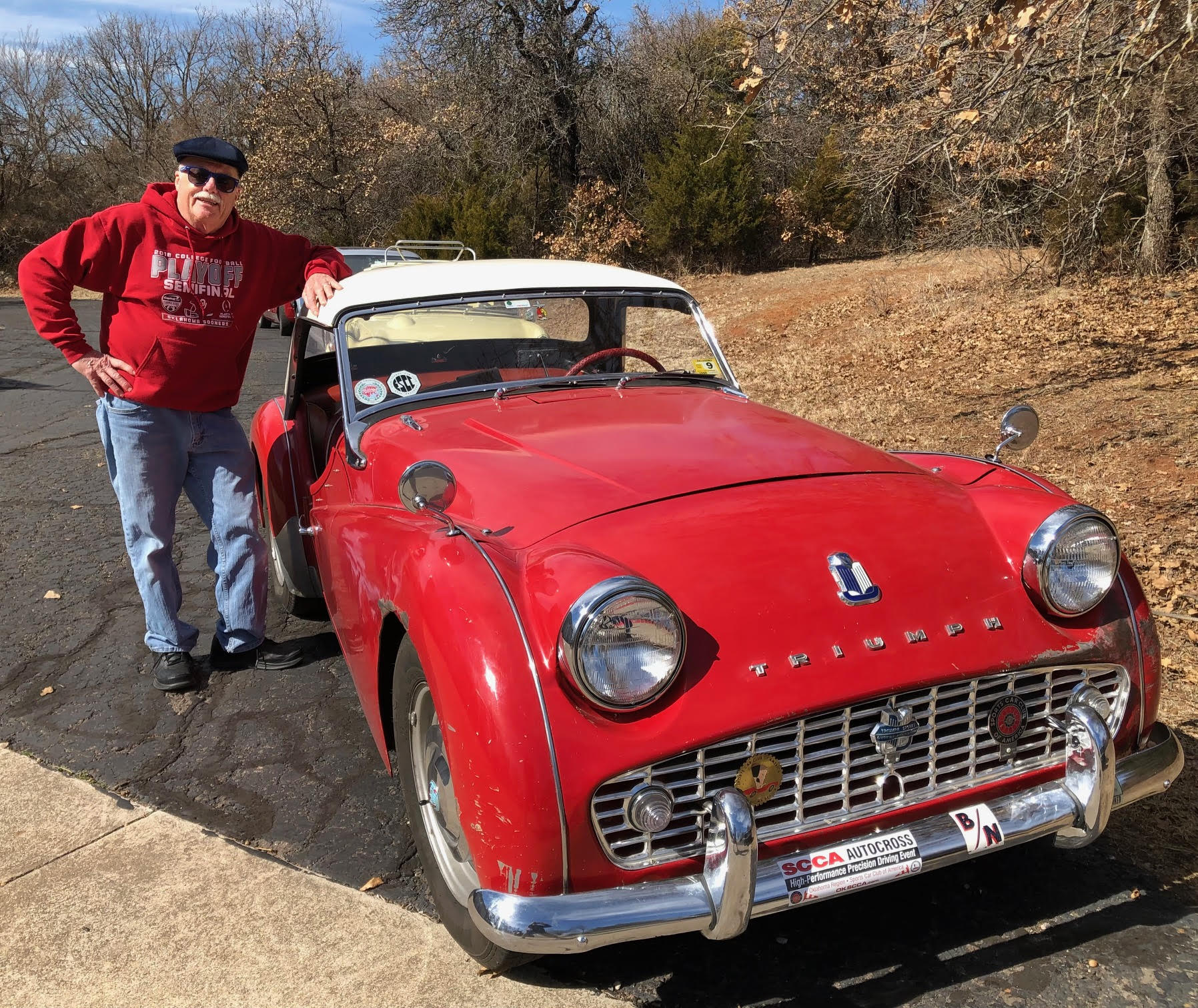
Returning to Lake Garnett has been on my bucket list since I found Lake Garnett Grand Prix Revival on Facebook. Racing at Lake Garnett was an integral part of my growing up in the ‘60s; another element of my youth was driving our family’s 1960 Triumph TR3A. To check off the Lake Garnett box I have entered that same, sixty-six year old TR3A in this year’s LGGP Revival. I am eagerly looking forward to renewing and reliving my relationship with what Carroll Shelby called “the best road course in America”
My family had been involved in racing since the 1920s when my grandfather built and raced a Frontenac Ford T bobtail on dirt tracks in Texas and Oklahoma. My father was a racing fan and took us to AAA Sprint Car races, “Friday Night Stock Car Races,” and NHRA National Drag Races in Oklahoma City. In July of 1961, my father was bitten by the “sports car bug, “and he took our family to the road races at Lake Garnett.
We – mom, dad, sister, and me, – drove our Pontiac to a sleepy motel in Yates Center, the closest available lodging to Garnett. Early Sunday morning we drove the 46 miles to Garnett and had hamburgers for breakfast. A diner was the only restaurant without a two hour wait. On the track, we watched exotic foreign cars raced by National acclaimed drivers put on a fantastic show. The topper was Harry Heuer driving the Meister Brau Scarab beating Jack Hinkle in his Birdcage Maserati. To this day, that Scarab is my favorite race car of all time. A month after his initial Garnett race, my father bought his first sports car, a 1960 Triumph TR3A.
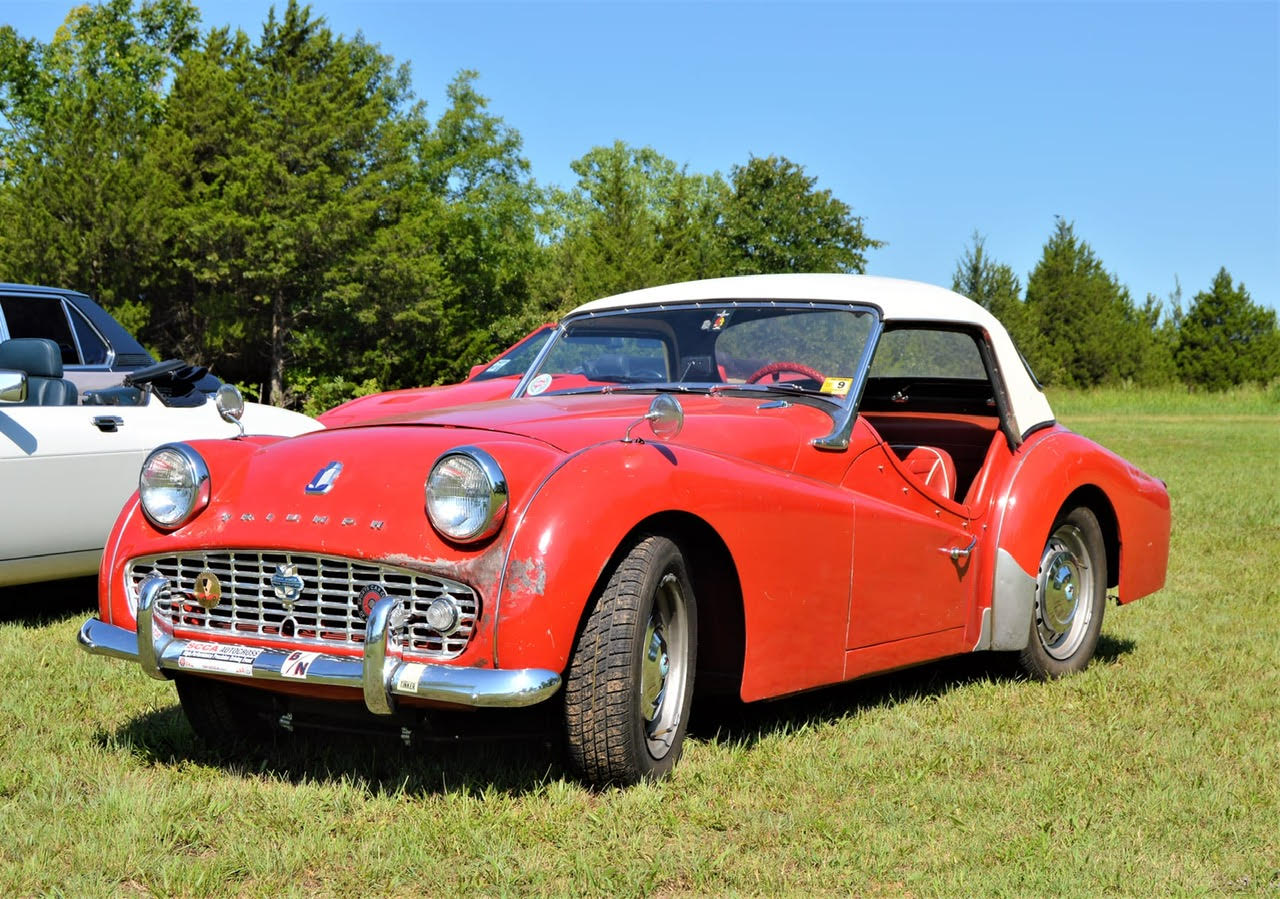
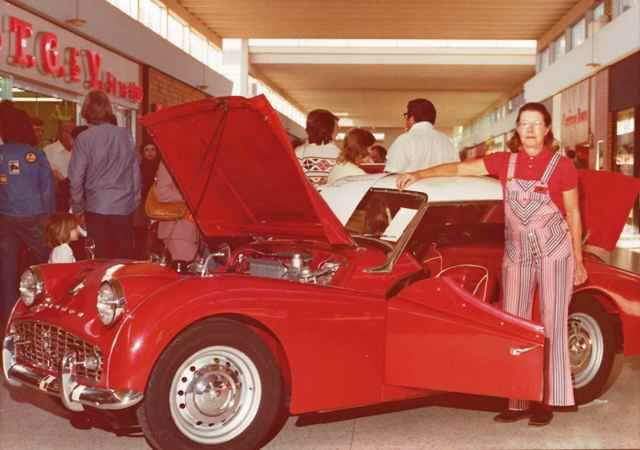
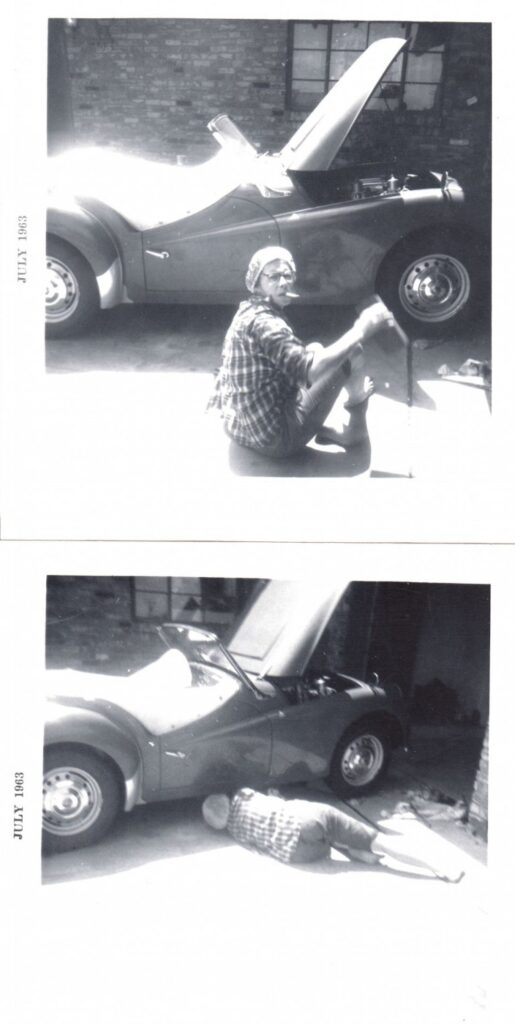
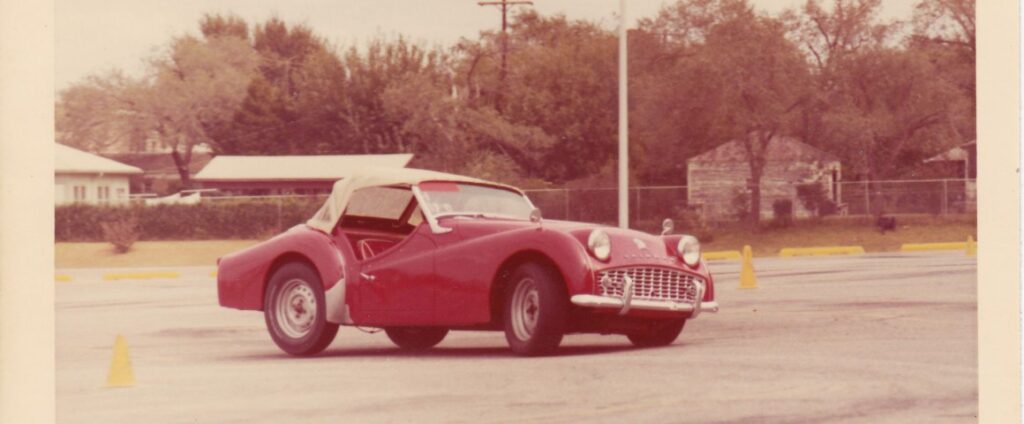
That signal red TR3A with white hard top defined our family activities for almost twenty years. The entire England family embraced “Mom’s TR,” as it eventually was called. I learned how to drive “stick” behind the large TR steering wheel. Father, mother, sister, and I all drove the TR in gymkhanas, autocrosses, rallies, parades, economy runs, and polished it up for concours. It was a common sight at sports car events in Oklahoma, Kansas, Arkansas, Texas and Missouri. Our ultimate road trip in Mom’s TR was in July, 1963, when I rode with my parents to the National SCCA Races at Garnett, Kansas.
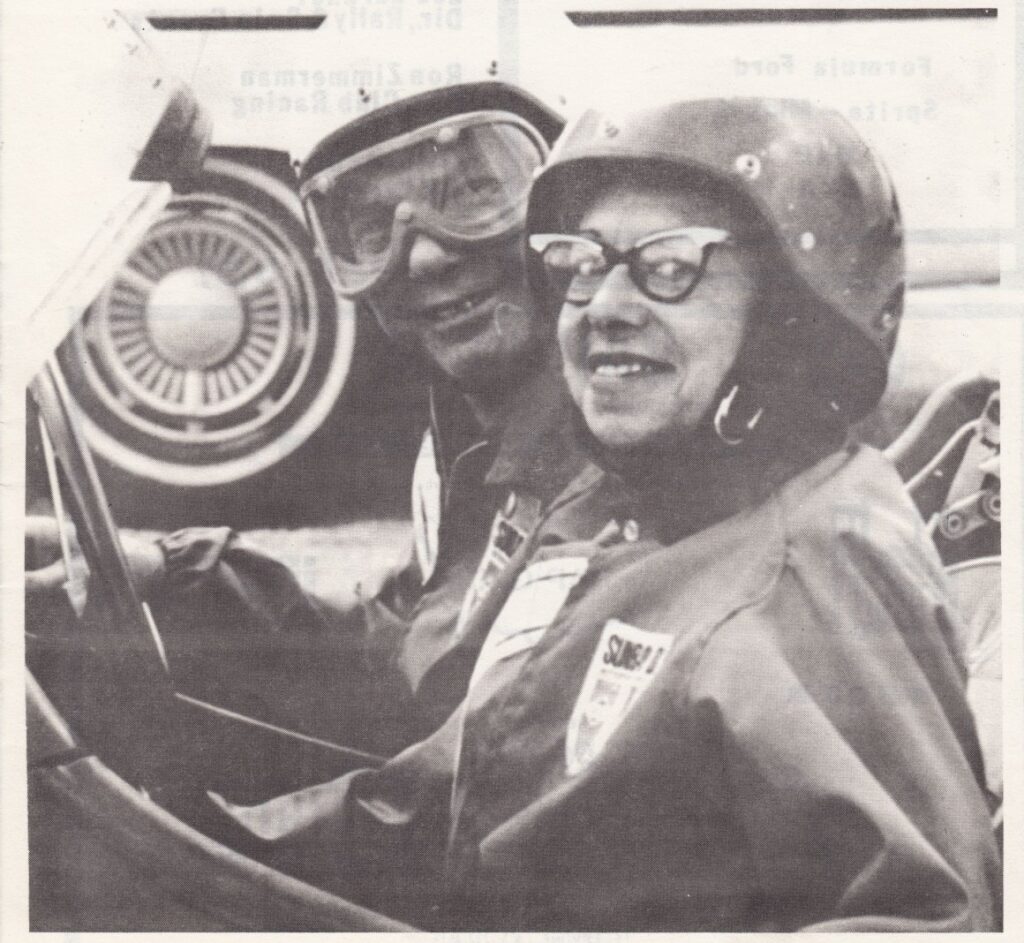
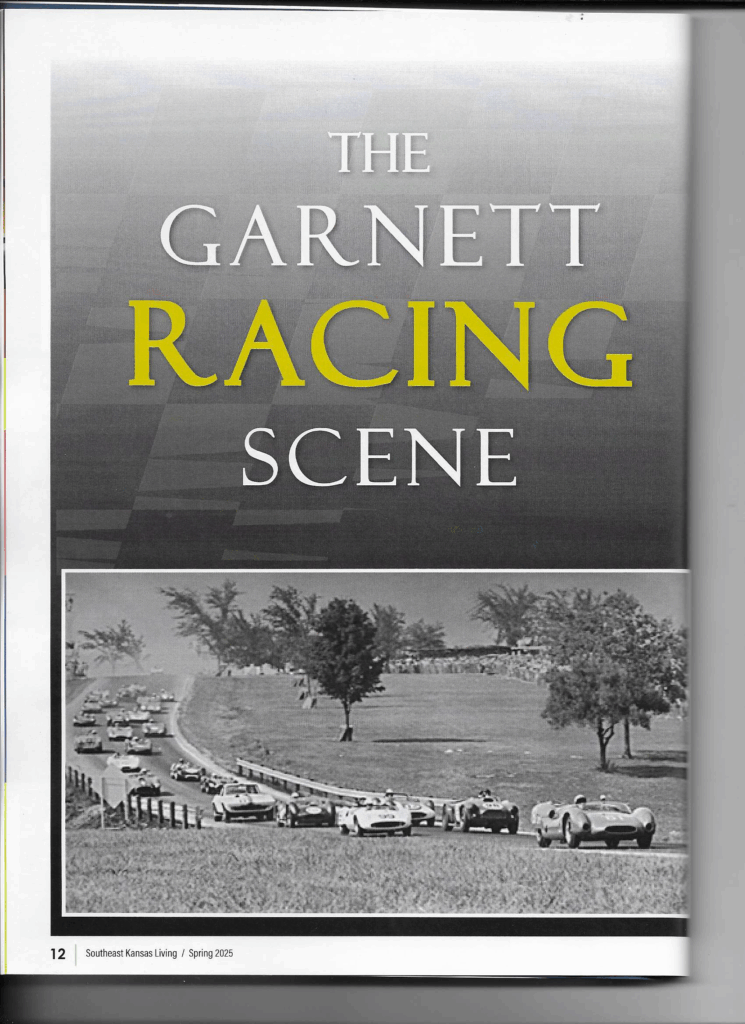
Removing the hardtop to make room for me in the so-called “back seat”, we drove the 300 miles from our Midwest City, Oklahoma home to Garnett and served as pit crew for Tommy Allen’s Porsche 356. 1963 was arguably the greatest year at Garnett when Carroll Shelby’s Cobras met GM’s Corvette Stingray for the first time at a National Race. Bob Johnson, Shelby’s number three driver behind Ken Miles and Dave McDonald, won the A Production race. The three Cobras swept the class ahead of Dick Thompson in the GM factory prepared Stingray. Johnson beat Miles and McDonald, possibly at Shelby’s orders; Bob was running for National Championship amateur points while Ken and Dave were driving professional events like Sebring, Daytona, and Watkins Glen.
And then, Ken Miles wowed the 75,000 spectators by driving his Cobra, still warm from the Production class race, to first overall in the big displacement Modified race. He beat pure racing cars like Chapparal, Cooper Monaco, Birdcage Maserati, and Ferrari Testa Rossa, driven by Harry Heuer, Jack Hinkle, Enus Wilson. He also bested Dick Thompson in the Chevrolet Grand Sport.
Shelby and his drivers didn’t limit their mayhem to the track. My parents attended the Saturday night race party and told me about Shelby, Miles, and McDonald racing through the party barn on their mini bikes.
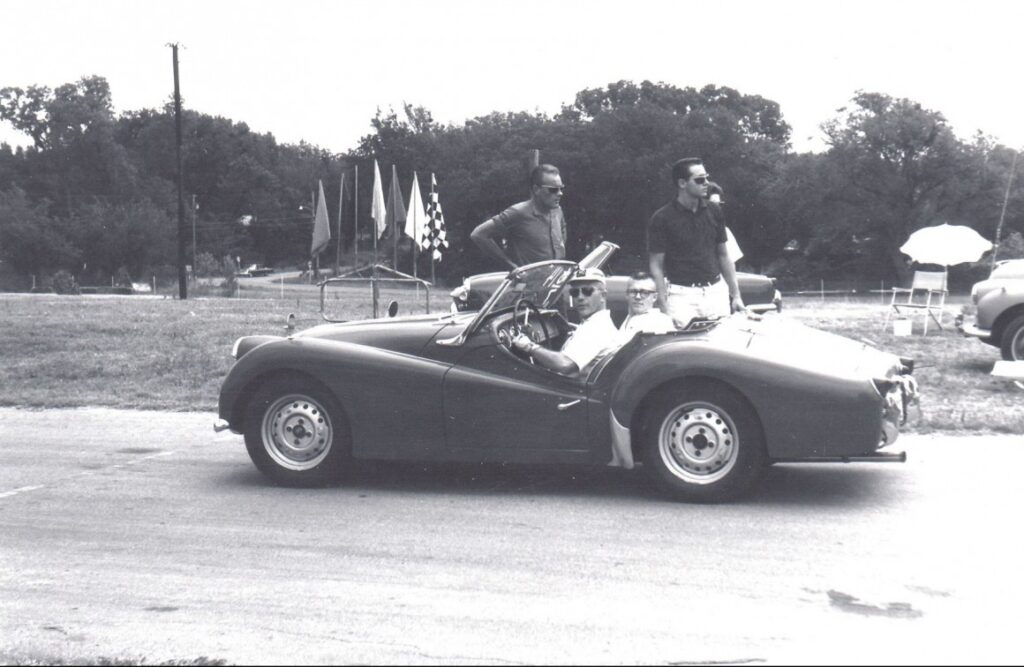
By 1964 Mom, Dad and I had become SCCA licensed Flag and Communications workers. Flagging with us was my since-the-seventh-grade best friend, Mike Dickey, also a licensed flagger. Together we manned Garnett’s second flag station, Welda Corner. Welda was the fastest corner at Garnett with the cars passing by at over 100 miles per hour. Ironically, hardly anyone left the track at Welda, 1964, or any year. The only incident I know of was in 1962 when iconic Group 44 driver, Bob Tullius, left the track and crashed into several trees. It was discovered Bob had blacked out from leaking exhaust fumes. 1964 was also the year of the riots on Saturday night after the races. The negative publicity caused a halt in racing at Garnett for the next three years.
When the Lake Garnett Grand Prix resumed in 1968, my father advanced from flagging to driving on the track. We both had our National Competition licenses. I drove my H Production, number 79, “bugeye” Sprite, my father drove his B Sedan Volvo. My race at Garnett was the best ever in my Sprite, finishing seventh in a field of 14 H Production cars. With 3.88 differential gearing (most Sprites ran 4:11 or higher) my Sprite was ideally “set up” for the mile long Santa Fe Straight, and we exceeded 120 mph. A month after that I entered the U.S. Army, and sold my bugeye to Dr. French Hickman.
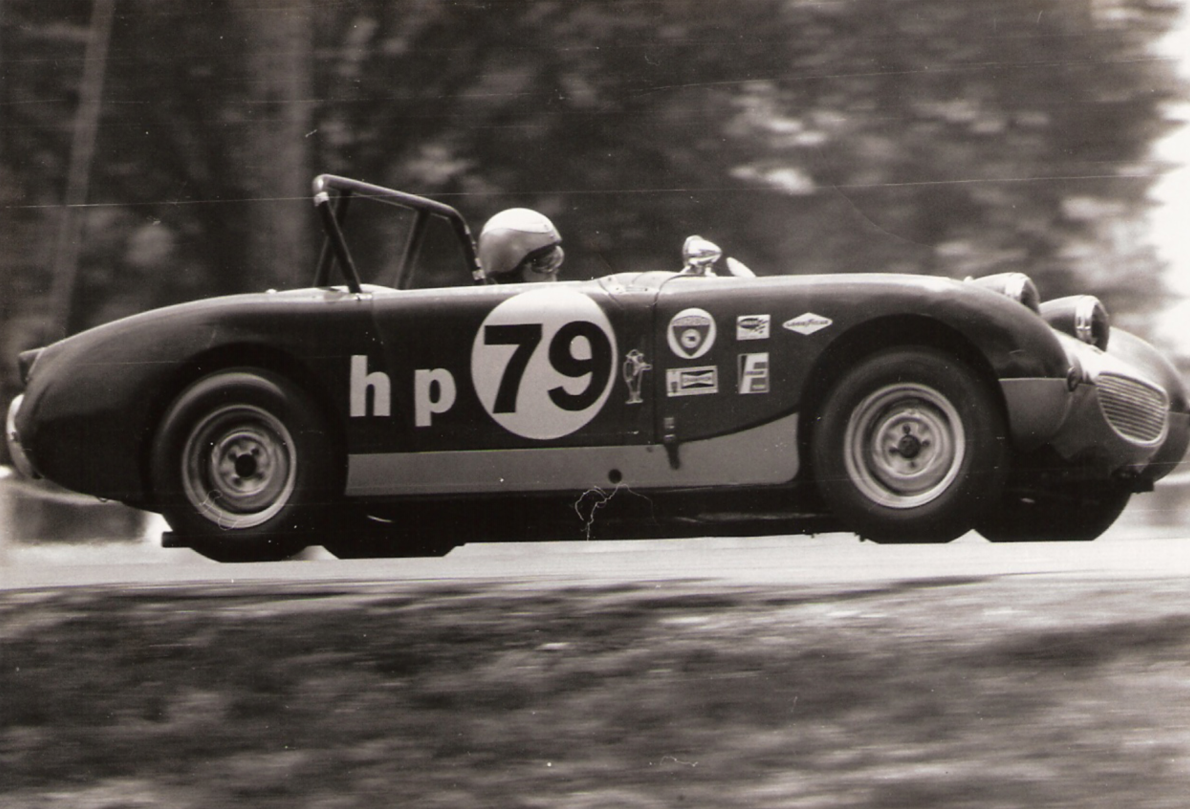
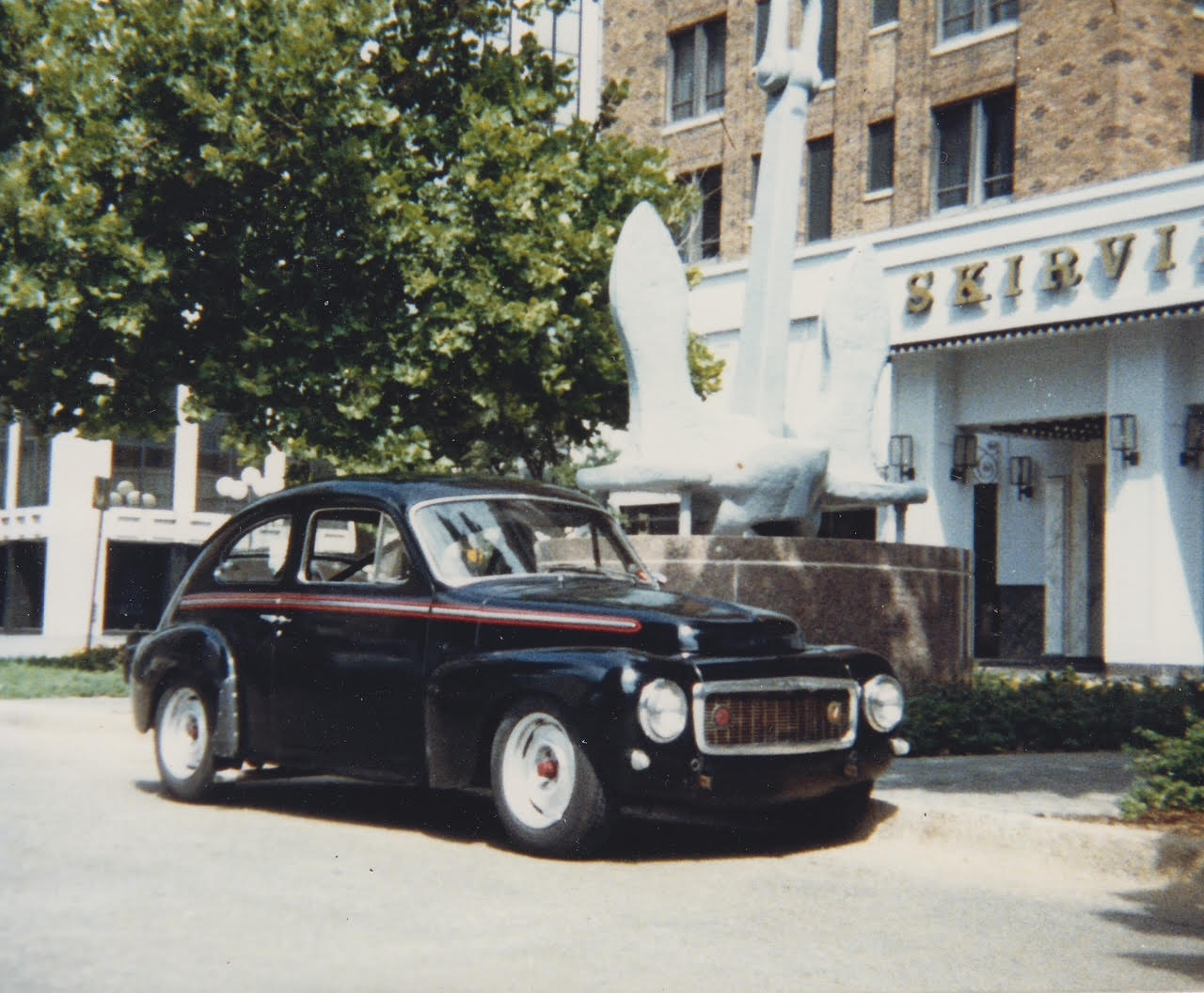
1969 was my personal Swan Song at Garnett. Dr. Hickman blew the engine in the Sprite at Ponca City and he asked me to build an engine so he could run at Garnett. I was on 30 days leave from the Army, so I obliged. The only Regrettably, the engine dropped a valve in practice. Doc. said it was faulty building; I said it was over-revving. This good natured discussion was never resolved before Doc Hickman died in 2019.
Another, more poignant Garnett moment in 1969 was the death of friend and fellow racer Ron LaPeer. Ron had befriended us at the 1967 Daytona ARRC. His H Production Sprite was pitted next to my father in the paddock, and he borrowed some washers from my mother’s “coffee can of spare parts”. Ron won the National H Production Championship at Daytona that year and was awarded SCCA’s President’s Cup for his driving exploits. He became the Chief Instructor at Bob Bindurant’s Racing School and was driving a factory Datsun 1600. when he left the track at the Cork Screw. R.I.P. my friend. Three days after the 1969 Lake Garnett races, I was in Viet Nam.
I did not return to Lake Garnett before racing ended there in 1972. Marriage and raising a family took priority over racing. Fifty six years after 1969 I will revisit the track, drive its curves, and relive the memories. Riding shotgun with me in the same Triumph TR3A that went to Garnett in 1963 will be Mike Dickey. Two 79 year old veterans (Army for me, Mike chose Navy) in a red sports car is sure to be memorable.
Stephen J. England